
Educational games play a powerful role in shaping the early learning years of a child. First graders, usually between 6 and 7 years old, are full of curiosity. They’re learning how to read longer sentences, solve basic math problems, think independently, and understand the world around them. At this age, the right games can turn learning into something exciting instead of stressful.
This blog post shares detailed, research-based explanations of the best educational games for first graders. These are not random picks. Each game included below is widely used in classrooms, trusted by teachers, and loved by kids. The goal is to help you choose the right learning tools whether you’re a parent teaching at home or a teacher planning classroom activities.
Comparison Table: 10 Best Educational Games for First Graders
| Game Name | Subjects Covered | Key Skills |
| SplashLearn | Math & Reading | Addition, subtraction, phonics, place value, measurement |
| ABCmouse | Reading, Math, Science, Art | Phonics, vocabulary, numbers, patterns, creativity |
| Prodigy Math | Math | Arithmetic, problem-solving, logical thinking |
| Starfall | Reading | Phonics, sight words, reading comprehension |
| PBS Kids Games | Reading, Science, Social Skills | Vocabulary, problem-solving, emotional learning |
| Khan Academy Kids | Reading, Math, Creativity | Counting, addition, reading, creative thinking |
| Education.com | Reading, Math, Science | Grammar, vocabulary, addition, subtraction |
| ABCya | Reading, Math, Logic | Spelling, math facts, logic, creativity |
| TurtleDiary | Math, Reading, Science | Shapes, numbers, vocabulary, science concepts |
| CokoGames | Math, Logic | Counting, number comparison, patterns, problem-solving |
1. SplashLearn – Personalized Learning in Math and Reading
Link: SplashLearn
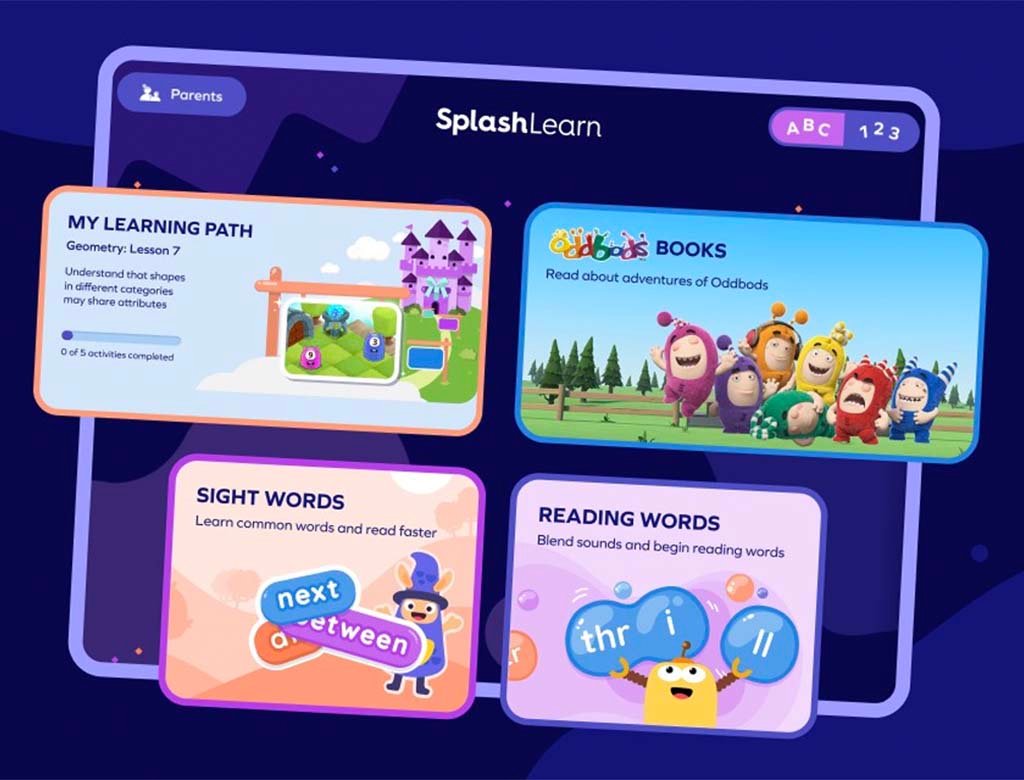
SplashLearn is a fun learning program for first graders. It helps kids practice math and reading using colorful games instead of regular worksheets. The games change automatically to match your child’s level, so they are not too hard or too easy.
What your child can learn:
- Adding and subtracting numbers
- Understanding place value
- Counting, patterns, and measuring
- Reading skills like phonics, sight words, and short stories
Why it is helpful:
The program adjusts to your child’s pace. Beginners don’t feel lost, and kids who are faster still get challenges. Every correct answer gives small rewards, which keeps learning fun. Parents and teachers can also see progress through detailed reports.
How to use it:
- Play for 15–20 minutes every day.
- Focus on one skill at a time, like addition or sight words.
- Talk about mistakes after the game to help your child learn better.
2. ABCmouse – Structured “Learning Path” for Kids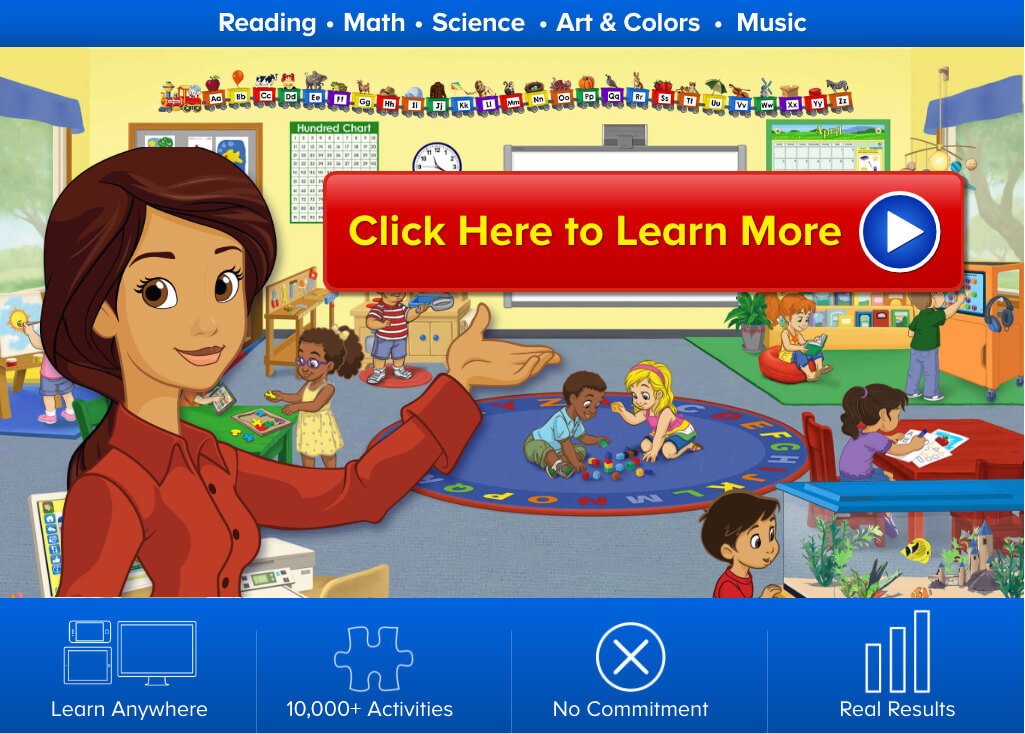
Link: ABCmouse
ABCmouse is a learning program that guides kids through a step-by-step path. It covers reading, math, science, art, and music. Kids complete one level at a time, making sure they understand each topic before moving to the next.
What your child can learn:
- Early reading and phonics
- Vocabulary, spelling, and making simple sentences
- Basic math like adding, subtracting, shapes, and patterns
- Creative thinking, art, and music
Why it is helpful:
Kids are motivated to finish levels and earn tickets to play fun virtual activities. Lessons are short, colorful, and interactive. Even kids who cannot read alone can play because the program has voice guidance.
How to use it:
- Combine ABCmouse games with drawing, writing, or reading stories to strengthen learning.
- Use ticket rewards carefully so kids enjoy learning for fun, not just for prizes.
3. Prodigy Math – Fun Math Adventure
Link: Prodigy
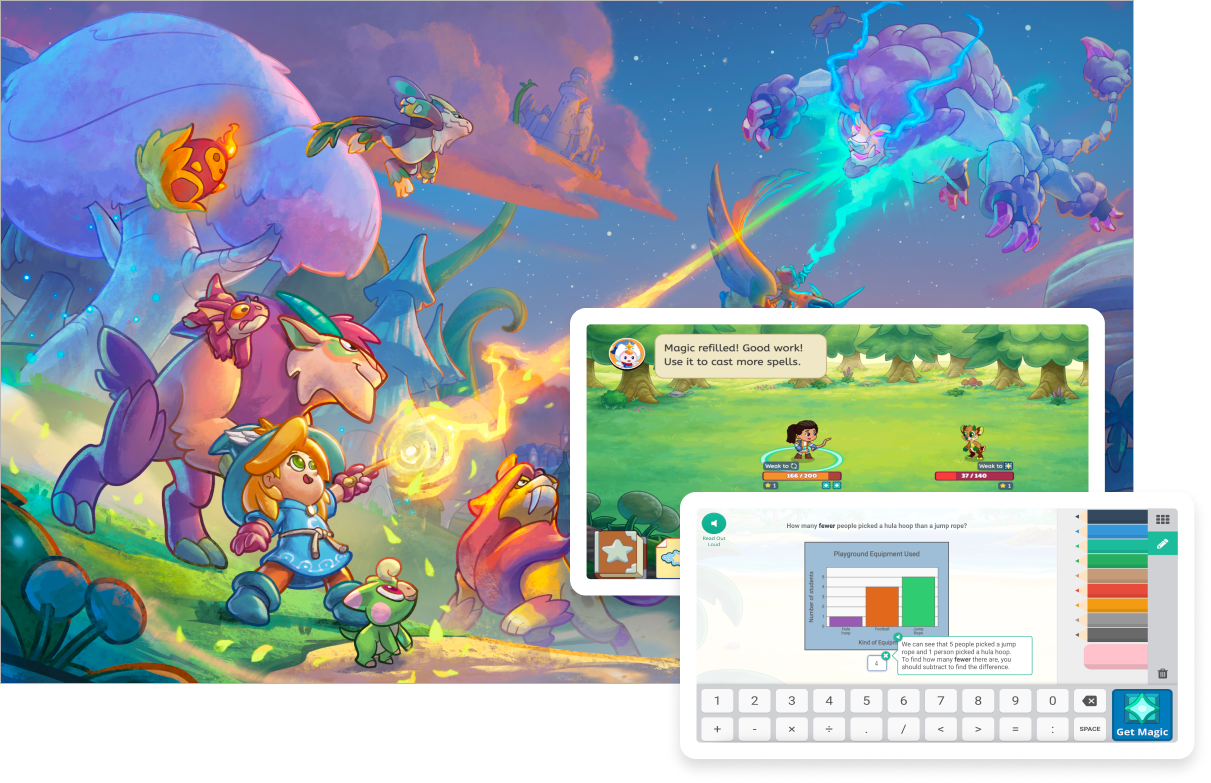
Prodigy is a math game mixed with a fantasy adventure. Kids create a character, go on quests, and solve math problems to move forward in the story.
What your child can learn:
- Adding and subtracting numbers
- Understanding numbers and place value
- Thinking logically and solving problems
- Patterns and measuring
Why it is helpful:
Math is part of a fun story, so kids stay interested longer than with regular worksheets. The game changes difficulty automatically, so every child gets the right challenge.
How to use it:
- Play short sessions every day.
- Go over mistakes together to help learning.
- Great for kids who don’t like worksheets but want to practice math.
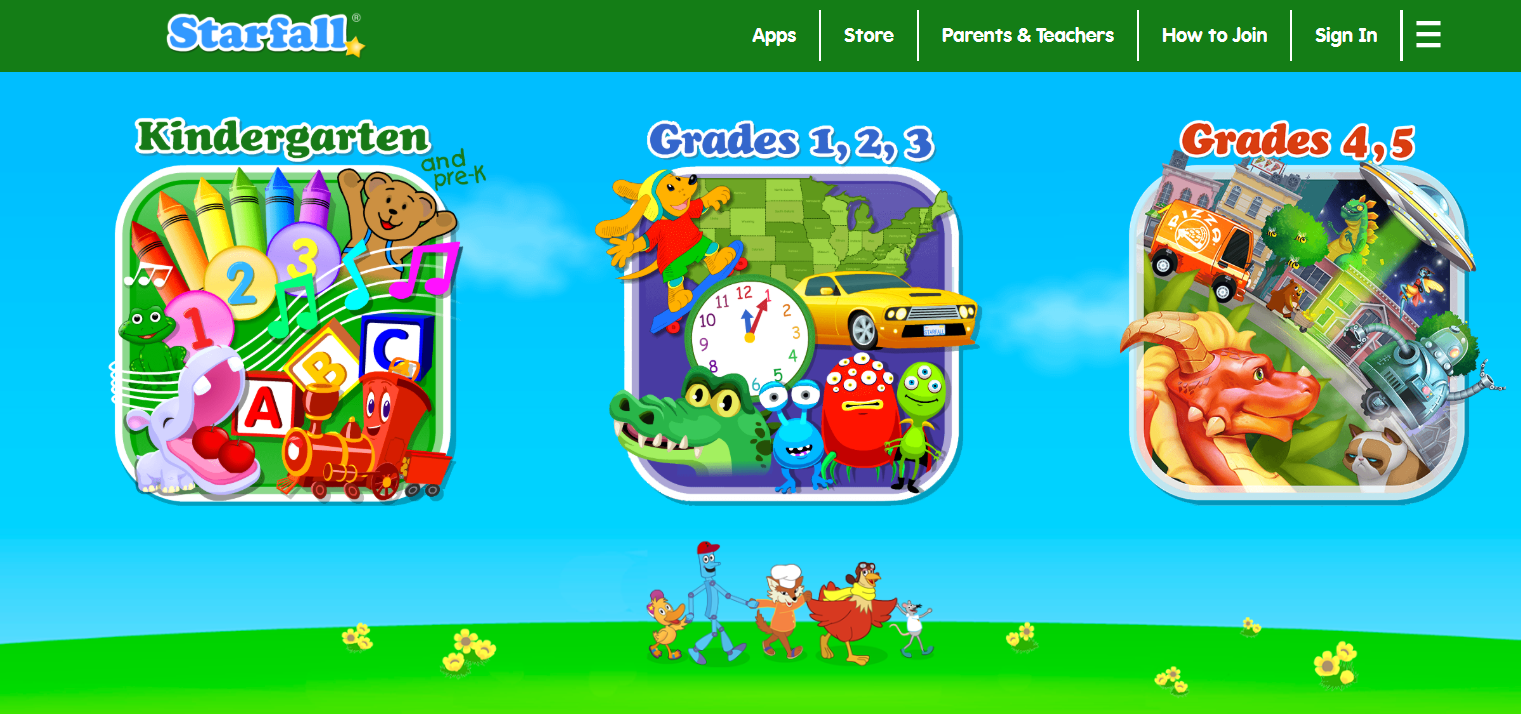
4. Starfall – Phonics and Reading Mastery
Link: Starfall
Starfall is a reading program made for first graders who are learning to read on their own. It uses games and stories based on phonics to help kids practice step by step.
What your child can learn:
- Letter sounds and blends
- Recognizing sight words
- Reading simple sentences
- Understanding short stories
Why it is helpful:
Starfall uses voice, animations, and interactive games to make learning fun. It is easy to use, so kids can focus on reading without getting distracted.
How to use it:
- Follow the lesson order: start with letters and blends, then move to short stories.
- Read along with your child to help them understand and enjoy reading more.
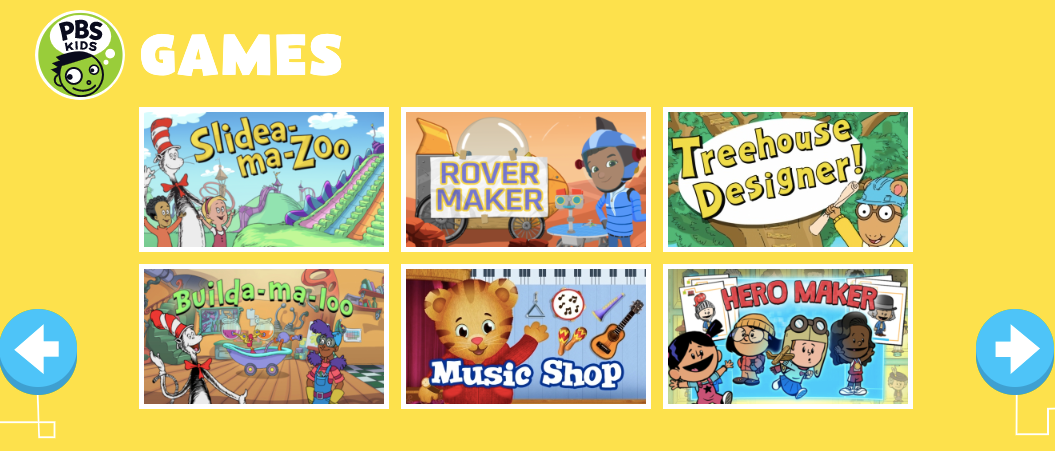
5. PBS Kids Games – Safe Educational Fun
Link: PBS Kids
PBS Kids Games let children learn with their favorite characters like Arthur and Daniel Tiger. The games are fun, friendly, and educational.
What your child can learn:
- New words and reading skills
- Simple science ideas and observation
- Solving problems
- Social and emotional skills, like sharing and understanding feelings
Why it is helpful:
The games are safe, ad-free, and easy to play. They are short and fun, so kids gain confidence while learning.
How to use it:
- Use PBS Kids Games as a reward after other learning activities.
- Talk about what your child learned in the game to help them remember better.
6. Khan Academy Kids – Free Learning for Reading, Math, and Fun
Link: Khan Academy Kids
Khan Academy Kids is a completely free learning program, and it feels like one of the best free games with no ads because kids can learn without any pop-ups or distractions. It has fun activities for reading, math, and creativity.
What your child can learn:
- Counting, adding, and subtracting
- Phonics, new words, and reading
- Thinking carefully and solving problems
- Drawing and making up stories
Why it is helpful:
The app uses cute characters, short stories, and fun activities to keep kids interested. Parents can see progress, give lessons, and get ideas for new activities.
How to use it:
- Mix online lessons with drawing or storytelling off the screen to make learning more fun and complete.
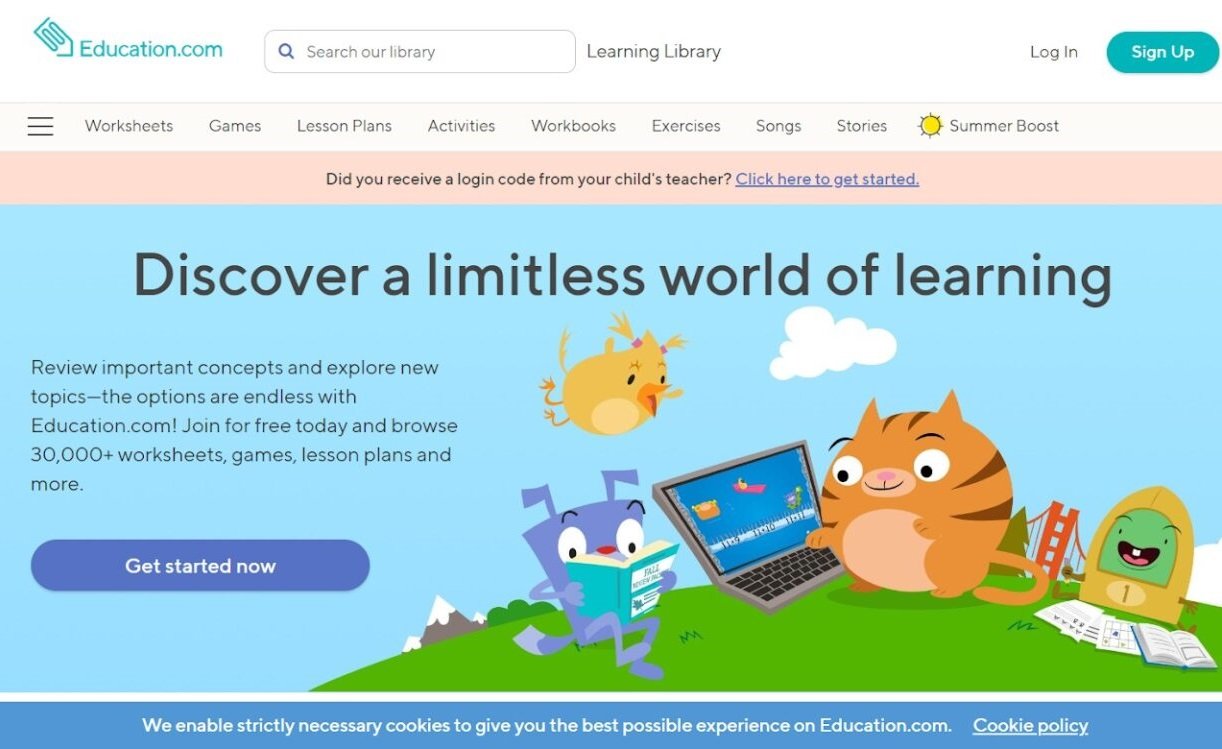
7. Education.com – Games That Match School Lessons
Link: Education.com
Education.com has hundreds of short, fun games for first graders. Each game teaches a specific skill in reading, math, science, or typing.
What your child can learn:
- Adding, subtracting, and counting
- Grammar, new words, and making sentences
- Thinking carefully and solving problems
- Observing and learning about science
Why it is helpful:
The games are simple, focused, and made by teachers. They can be used for homework, extra practice, or classroom activities.
How to use it:
- Pick games that match what your child is learning at school. This helps them understand lessons better.
8. ABCya – Teacher-Approved Educational Games
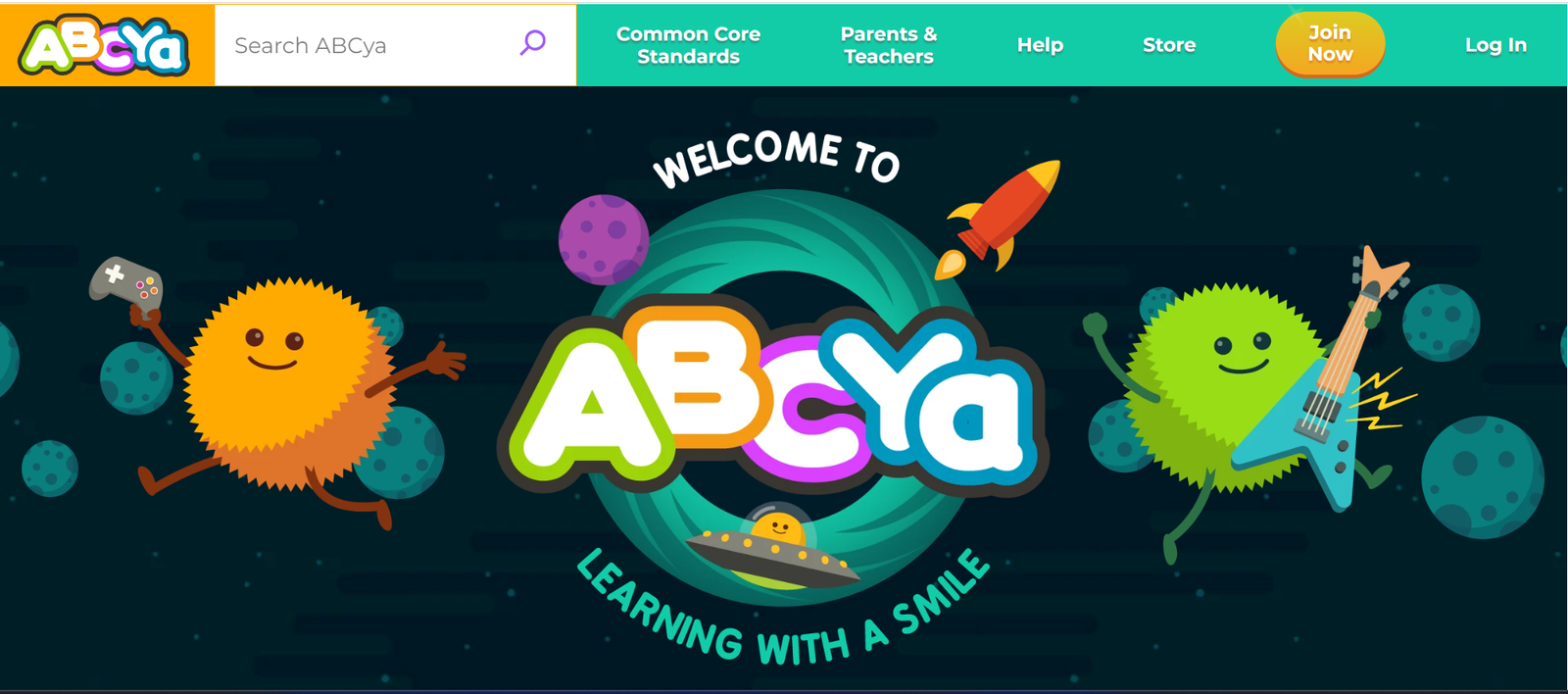
Link: ABCya
ABCya has games organized by grade and subject. Kids can play games in reading, math, logic, and creativity.
What your child can learn:
- Spelling and new words
- Adding and subtracting numbers
- Patterns, sequences, and logical thinking
- Drawing and making up creative stories
Why it is helpful:
The games are short, fun, and colorful. Many teachers use ABCya in classrooms for small groups and learning centers.
How to use it:
- Play one or two games per day so your child does not get overwhelmed.
9. TurtleDiary – Fun and Colorful Learning Games
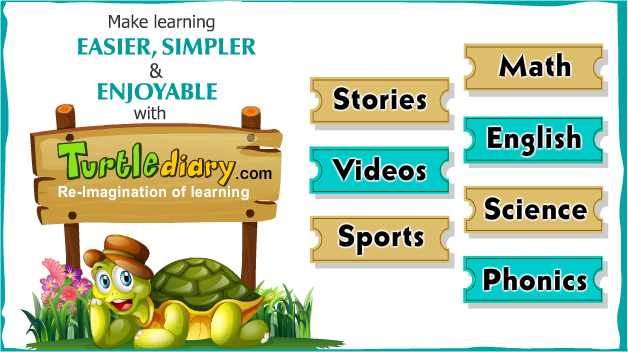
Link: TurtleDiary
TurtleDiary has bright and interactive games for first graders in reading, math, and science. Kids enjoy the colorful design and get instant feedback.
What your child can learn:
- Counting and comparing numbers
- Shapes and basic geometry
- Vocabulary and spelling
- Simple science facts
Why it is helpful:
The games are easy to understand and kids can play on their own. There are also printable worksheets to practice skills offline.
How to use it:
- Play the game and then try the worksheet to strengthen what your child learned.
10. CokoGames – Quick Math and Logic Practice
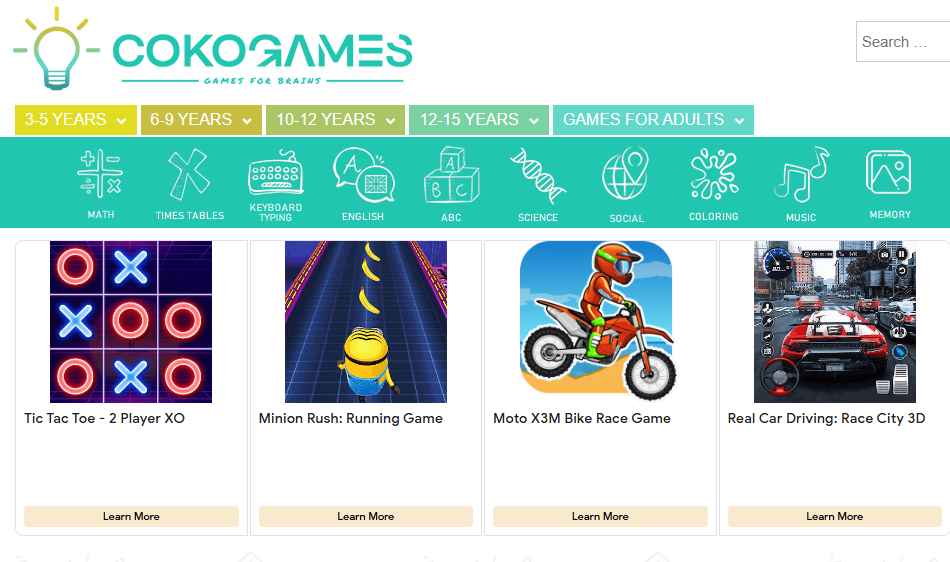
Link: CokoGames
CokoGames has short, fun mini-games for first graders. The games are simple but help kids practice and review important skills.
What your child can learn:
- Counting and comparing numbers
- Adding and subtracting
- Patterns, sequences, and basic problem-solving
Why it is helpful:
The games are short and easy, perfect for small daily practice. Kids get rewards quickly, which makes learning fun and motivating.
How to use it:
- Play 10–15 minutes a day as a warm-up to reinforce school lessons.
- Great for home or classroom use.
Final Thoughts
Educational games for first graders are powerful tools when used correctly. They make learning fun, encourage problem-solving, and help children build confidence in reading, math, and logical thinking.
Tips for Parents and Teachers:
- Pick games aligned with your child’s school lessons.
- Limit screen time to 15–30 minutes per day.
- Discuss what the child learned after each session.
- Mix digital learning with hands-on activities for the best results.
With these 10 carefully selected games, you can make learning a fun, rewarding, and memorable experience for first graders.